San Francisco’s culture is not a single visual style. It lives in businesses, gathering places, languages, performance spaces, food traditions, murals, archives, religious institutions, bookstores, workshops, nightlife, and the everyday work of keeping a community rooted. A thoughtful visitor can take part in that public life, but the day should begin with context rather than a list of colorful backdrops.
The city’s Cultural Districts Program describes its districts as community-led place-keeping efforts. That distinction matters. A district is not an entertainment theme created for visitors. It is a living geography shaped by people who have histories, present-day priorities, and a stake in how the place is represented.

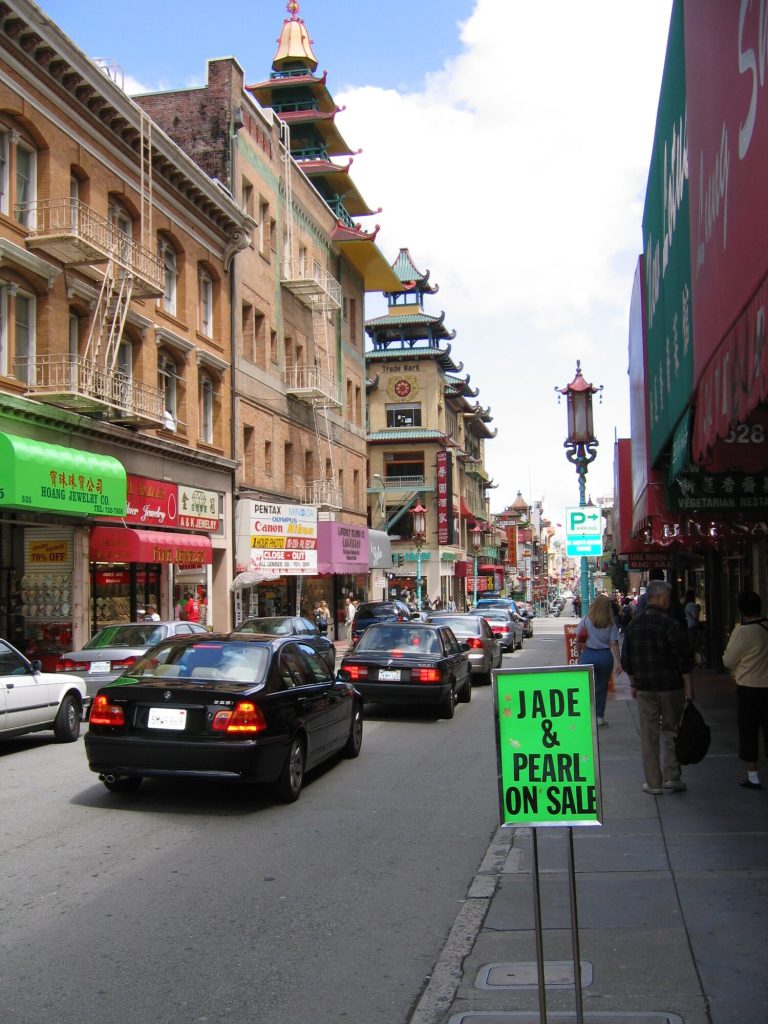
Chinatown, North Beach, Little Italy: 7 Tastings & History
Spend an afternoon exploring two of San Francisco's vibrant areas for food and nightlife on a walking tour through Chinatown and North Beach. On their...
Begin with a community source
Before choosing stops, identify the district’s own organization, cultural center, archive, business directory, or published walking guide. The city program can help locate formal Cultural Districts, but the community’s own material should guide the finer details. It may explain which places are public, how a mural came to be, why a venue matters, or how to support local businesses without disrupting them.
This first step prevents several common errors. It reduces the chance of assigning art to the wrong community, repeating a simplified historic narrative, or treating adjacent but distinct districts as interchangeable. It also makes the visit more useful: a block becomes part of a story rather than a collection of photo opportunities.
Read murals with attribution
A mural has an artist, a title or subject, a commissioning context, a physical site, and often a relationship to a particular community or movement. Whenever possible, learn those facts before publishing a caption. If the artist or meaning is not reliably documented, describe only what is visible and where it appears.
Good public-art practice includes:
- keeping doors, sidewalks, and transit stops clear while viewing or photographing;
- asking permission before making close portraits of people near the work;
- preserving the artist’s name and the work’s real title in captions;
- avoiding tight crops that remove the neighborhood context or alter the apparent meaning;
- not copying culturally specific marks into decorative graphics without authorization;
- checking whether temporary work is still present before building a route around it.
The most informative image may show how people move past a mural, how a business occupies the same wall, or how several works relate across a street. Public art is part of place, not a detachable texture.
Let markets explain movement
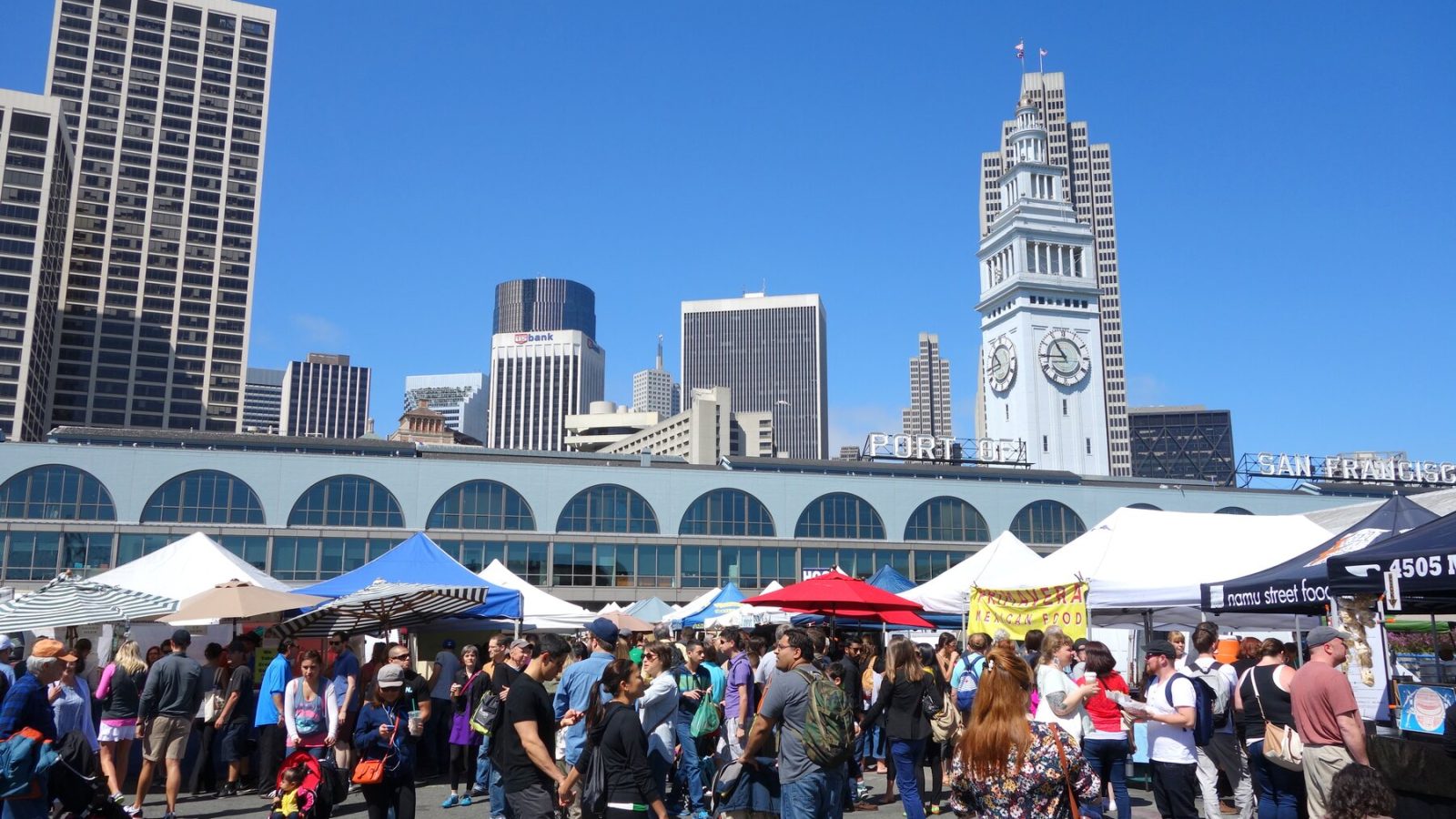
Markets connect food with transportation, agriculture, migration, labor, and neighborhood routine. The Ferry Building is a particularly visible example: it began as a major transportation hub and still faces active ferry gates, while its rehabilitated public interior functions as a market hall. The building’s arches, clock tower, and circulation tell one story; the regional producers and food businesses inside tell another.
Neighborhood markets operate at a more intimate scale. Produce displays, bakeries, fish and meat counters, prepared food, specialty goods, and everyday groceries may share a few blocks. Their value is not that they create an exotic scene. They serve customers and sustain commercial corridors.
Enter as a customer. Ask before photographing inside, especially where people are working or where space is tight. If you have dietary needs, verify ingredients and preparation directly rather than relying on assumptions about a cuisine. Business names, menus, and opening patterns change, so check current details with each establishment.
Build one culture-and-food sequence
A coherent route has three parts:
- Context
– Start at a cultural center, museum, archive, public library resource, or community-produced guide.
– Learn the district name and who defines it. - Street life
– Walk one manageable corridor.
– Notice the relationship among businesses, housing, transit, public art, and gathering space. - Participation
– Choose a meal, performance, shop, market purchase, or guided program that directly supports the place.
– Confirm current access and any entry requirements with the organizer.
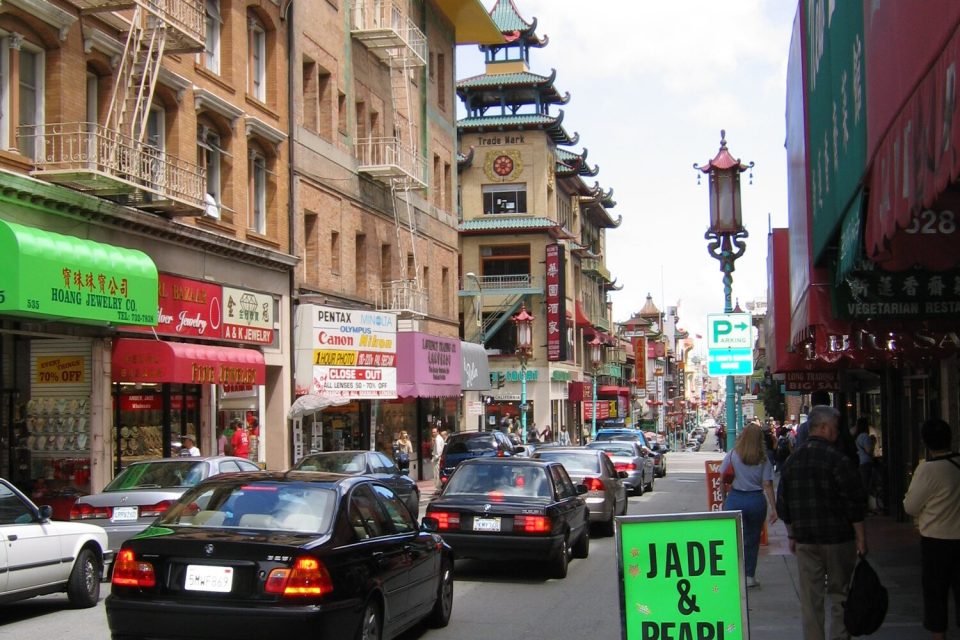
This structure works in Chinatown, Japantown, the Mission, the Castro, SoMa Pilipinas, the African American Arts and Cultural District, the American Indian Cultural District, the Sunset Chinese Cultural District, and other community-defined areas, but the actual story and sources must change with the district. Do not carry one set of symbols, foods, or assumptions from one place into another.
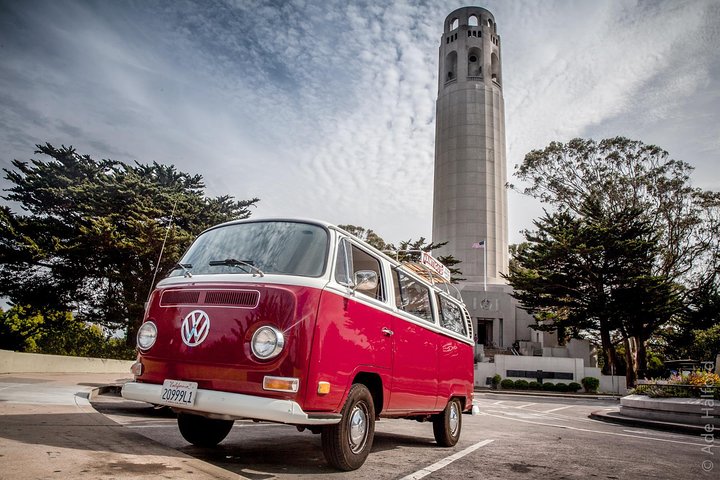
Vantigo - The Original San Francisco VW Bus Tour
Looking for an authentic San Francisco experience? Trade the tour bus for a vintage Volkswagen van that easily navig...

Alcatraz Inside Access Ferry and Audio Tour with Night Option
Explore Alcatraz Island like never before with this exclusive package that includes official admission and round-tri...

Muir Woods and Sausalito Small Group Tour
This tour will visit Muir Woods and Sausalito. Note that this tour includes the Muir Woods entrance fee. We provide...
Understand that districts overlap
Official boundaries can be useful for policy and planning, while lived neighborhood identities may be more layered. A single street can carry several histories. A district’s present population may differ from the community that established an institution or cultural landmark. Migration, displacement, redevelopment, and new arrivals all shape what is visible.
Avoid language that freezes a neighborhood in a supposed golden age. Words such as “authentic” can become misleading when they imply that current residents or new cultural forms do not belong. It is more accurate to name the institution, business, artist, tradition, or community being discussed and explain its real relationship to the location.
The American Indian Cultural District also provides a reminder that San Francisco sits on Ramaytush Ohlone land and that Indigenous people and organizations speak in the present, not only in a historic preface. Use information from the Association of Ramaytush Ohlone and the relevant district rather than inventing a generalized land story or borrowing visual symbols.
Photograph people as participants
Residents should appear as makers, workers, organizers, customers, performers, and neighbors, not as anonymous atmosphere. Consent matters, and so does captioning. A photograph of a cook at work should name the person and place when permission and editorial context allow. A celebration should be identified accurately rather than labeled as generic “local culture.” A candid street scene should avoid exposing a person in a vulnerable or private moment.
For a useful visual sequence, combine:
- one wide streetscape that locates the district;
- one attributed work of public art in context;
- one consented portrait or hands-at-work image;
- one market or food detail tied to a real business;
- one quiet image of daily infrastructure, such as transit, seating, or a community notice board.
That balance makes the story human without turning anyone into scenery.
Spend in ways that support the visit
Visitor spending is not a substitute for understanding, but it can support independent businesses and community organizations. Use directories produced by the district, buy directly when possible, and respect the scale of each place. A small shop may not be able to host a large group. A community event may prioritize residents. A venue’s photography policy may protect performers or visitors.
If a guided experience is available through a community organization or knowledgeable local operator, it can add context that a self-guided route lacks. Review the actual provider information rather than assuming affiliation or expertise. The Tours page should display only real provider data when an integration returns it.
Keep the route practical
San Francisco’s hills and microclimates remain part of a culture-and-food day. A mural corridor may offer little shelter. A neighborhood that feels warm at midday can cool when wind moves in. Public transit access can change with service conditions. Build one indoor pause into the plan, carry a layer, and verify the accessible entrance to any institution.
Do not schedule every meal and stop so tightly that a conversation, exhibit, or street performance becomes an inconvenience. One well-understood district is enough for a day. If you connect a second area, make it adjacent or linked by a simple transit line and be clear about why the pairing matters.
Leave with a more precise story
A good visit should make your language more specific. Instead of “San Francisco has colorful neighborhoods,” you should be able to name the district, the organization that helped you understand it, the artist whose work you saw, the business you supported, and the question you still have.

San Francisco Excursion: Guided Tour to Muir Woods and Sausalito
Experience the awe and wonder of one of California's oldest redwood groves as you stroll through dedicated paths o...

Yosemite Day Tour from San Francisco
Yosemite National Park is a must-visit California gem, and this day trip from San Francisco makes it easy. Leave the...

Napa and Sonoma Half-Day Wine Tour with Guide and Tastings
Savor the flavors of California’s world-famous wine country on a relaxing half-day adventure from San Francisco. T...

San Francisco Super Saver: Muir Woods & Wine Country w/ optional Gourmet Lunch
Enjoy the best of both worlds on this award-winning tour—begin your day with a peaceful stroll through the majestic redwoods of Muir Woods National...
Chinatown, North Beach, Little Italy: 7 Tastings & History
Spend an afternoon exploring two of San Francisco's vibrant areas for food and nightlife on a walking tour through C...

Painted Ladies San Francisco City Tour
Come jump on a city tour with us to cruise through some of the 15 top city highlights including Union Square, Chinat...
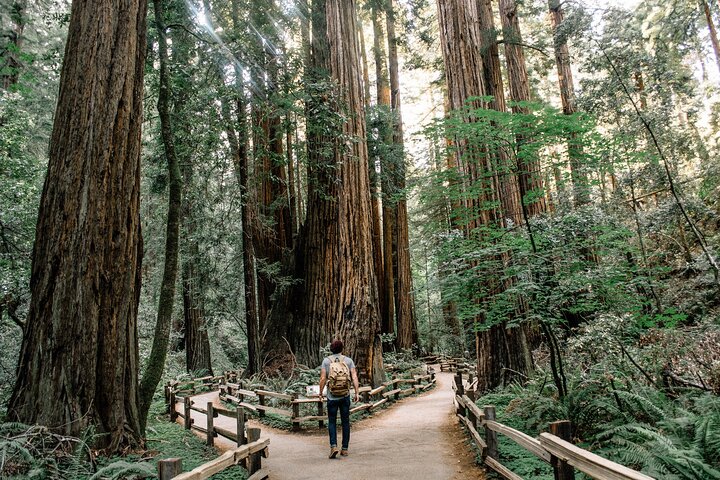
San Francisco, Muir Woods, Sausalito and Optional Alcatraz Tour
Discover San Francisco, Muir Woods, and Sausalito with the option to add tickets to Alcatraz! Join a small group to...
Continue with San Francisco Neighborhoods by Muni and on Foot to plan the connection, or browse the Food & Culture category for future guides. The aim is not to consume a district. It is to enter its public life with attention, contribute responsibly, and leave its people and places represented more accurately than you found them.
Chinatown, North Beach, Little Italy: 7 Tastings & History
Spend an afternoon exploring two of San Francisco's vibrant areas for food and nightlife on a walking tour through Chinatown and North Beach. On their...

Small Group Yosemite and Giant Sequoias Day Trip from San Francisco
Take a day trip from San Francisco to Yosemite National Park, described as the crown jewel of the country's many s...

Golden Gate Bridge Muir Woods Sausalito with Optional Alcatraz
All of our tour guides are Bay Area Natives, which will help you understand what it’s like to grow up in SF and no...

San Francisco Love Tour
For an unforgettable City Sightseeing tour, hitch a ride in a 1970's VW Hippie bus. This is an authentic and unique...
Still comparing San Francisco Food, Murals, Markets, And Living Cultural Districts?
Ask for tour ideas, hotel suggestions, or a simple trip plan that combines both.