
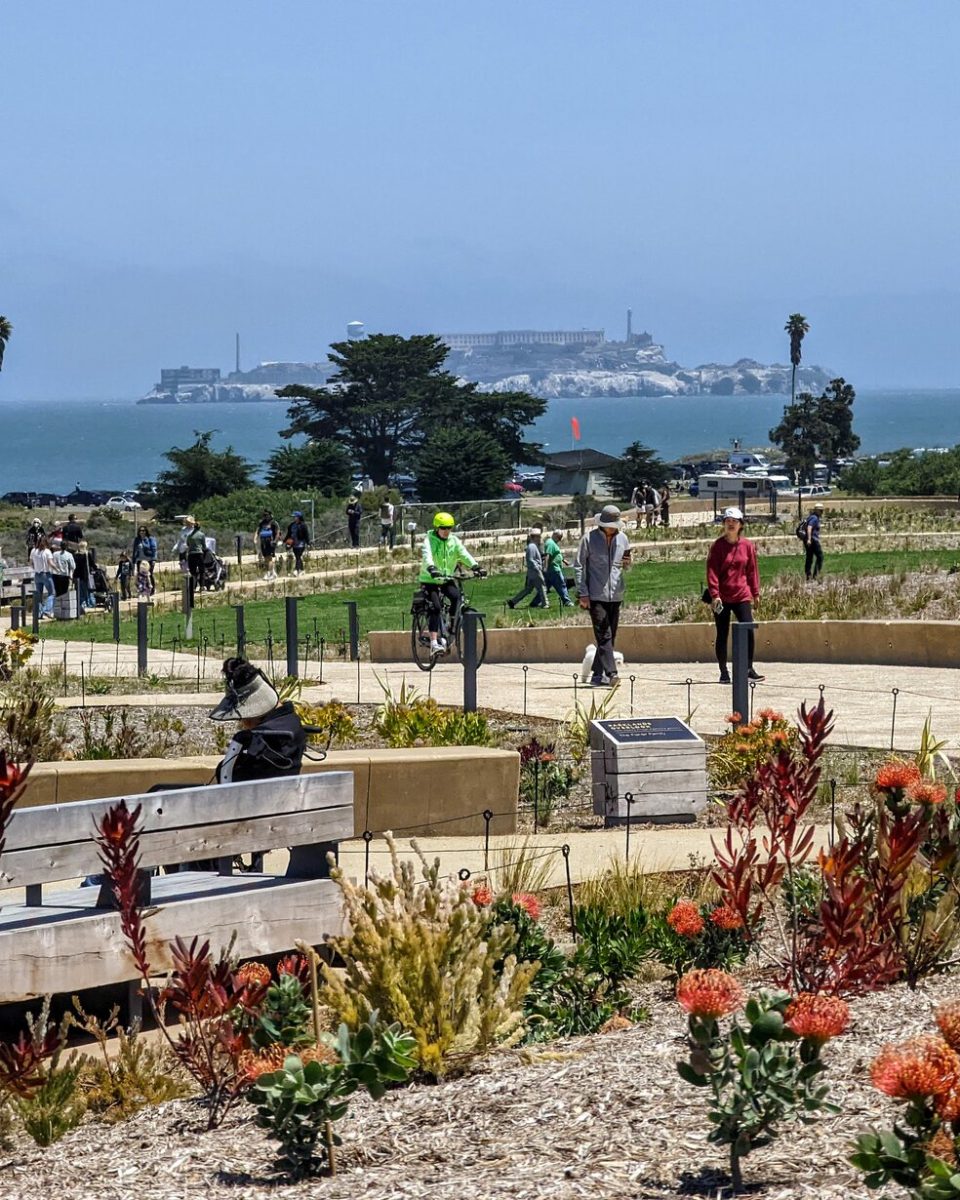
Tourism SF is an independent editorial guide to San Francisco. We help travelers connect the city they recognize with the city that becomes visible at walking pace: neighborhood businesses, cultural institutions, working transit, public landscapes, architectural details, changing weather, and the meeting of dense streets with bay and Pacific coast.
Our central idea is simple: Follow what the hills reveal. A hill is not only a viewpoint. It shows how the city is assembled. It can expose a new horizon, change the temperature, bring a transit line into focus, or mark the shift between two neighborhoods with different histories and daily rhythms.
What this guide is for
Tourism SF is designed for culture-curious independent travelers, whether this is a first visit or a return. The site offers practical ways to build a coherent day without pretending that the city is a checklist. It favors one connected route over a race between distant landmarks and explains why a place matters, not only where it appears on a map.
Our guides aim to:
- connect neighborhoods with nearby parks, waterfronts, and transit corridors;
- distinguish San Francisco from the wider Bay Area and nearby destinations;
- treat fog, wind, grade, and microclimates as planning facts;
- represent cultural districts through community sources and accurate attribution;
- make architecture, infrastructure, and public space part of the travel story;
- identify when current details must be checked with an official agency, venue, or provider;
- support flexible routes for different interests, mobility needs, and energy levels.
We do not publish invented firsthand experiences, fabricated reviews, or unverified claims about prices, opening hours, schedules, availability, and access.
How we approach place
San Francisco’s public image is powerful, but a bridge, cable car, or row of houses cannot carry the whole city. We look for the relationships around familiar sights: the engineering detail against moving fog, the neighborhood connected by the transit line, the community whose businesses give a corridor its life, or the coastal ecology surrounding a historic ruin.
The city’s Cultural Districts are living, community-led places. When a story involves a mural, cultural practice, historic claim, or community organization, we seek an attributable source and keep the subject in context. Residents appear as artists, workers, organizers, stewards, customers, performers, and neighbors, not as anonymous atmosphere.
San Francisco also stands on the ancestral homeland of the Ramaytush Ohlone. Indigenous histories and present-day work require sources from the people and organizations who carry them. A brief acknowledgment is not a license to invent symbolism or speak for a community.
How to use Tourism SF
Begin with the hill-to-horizon planning guide, browse Neighborhoods, or choose Outdoors if the coast and parks are your starting point. Each guide is built to remain useful without presenting volatile information as permanent.
Before acting on a detail that can change, follow the linked official source. Transit agencies, parks, museums, venues, businesses, and tour operators remain the authority for their own current service, access, policies, prices, and availability.
If local interpretation would deepen the day, the Tours page can present real provider results when an authorized integration returns them. Tourism SF does not invent tour inventory or imply that a provider relationship exists when it has not been verified.
An editorial promise
We will aim for geographic accuracy, useful context, clear distinctions between established facts and planning suggestions, and photography that represents real places responsibly. We will correct substantive errors when they are brought to our attention. We will also leave room for uncertainty: neighborhoods evolve, public works change routes, and no independent guide can replace the knowledge of the people who live and work here.
Have a factual correction or a source that would improve a guide? Use the Contact page and tell us exactly which page and passage you mean.